
Best OEM Manufacturers of Hot Rolled Steel for Industrial Applications
As a committed player in the hot rolled steel market, I understand the specific requirements of OEMs and manufacturers. Our hot rolled steel products are crafted to meet the stringent demands of various industries, offering exceptional strength and durability for a range of projects. With an emphasis on quality and precision, we provide materials that endure the harshest conditions while ensuring structural integrity. Whether you require steel for industrial machinery or construction, our hot rolled steel is adaptable to meet your needs. I am here to assist you in navigating our extensive selection, ensuring you find precisely what fits your specifications and timelines. Partnering with us goes beyond a simple transaction; it’s about fostering enduring relationships that drive your success. Let me help you enhance your supply chain with dependable hot rolled steel solutions tailored for OEMs and manufacturers. Reach out today to discuss how we can support your business objectives.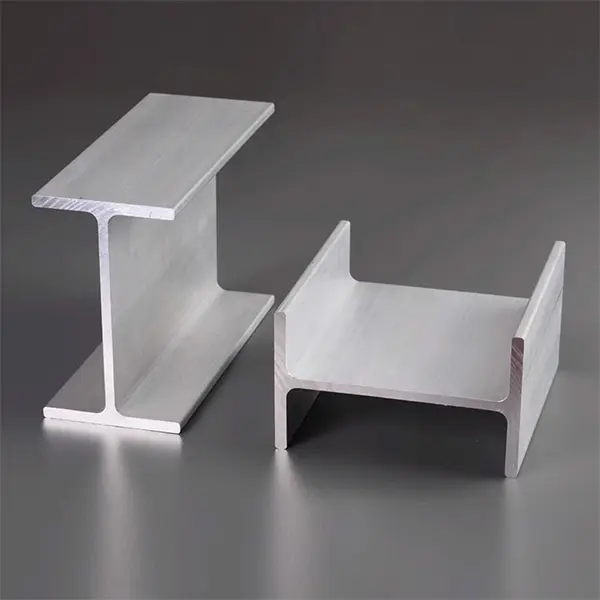
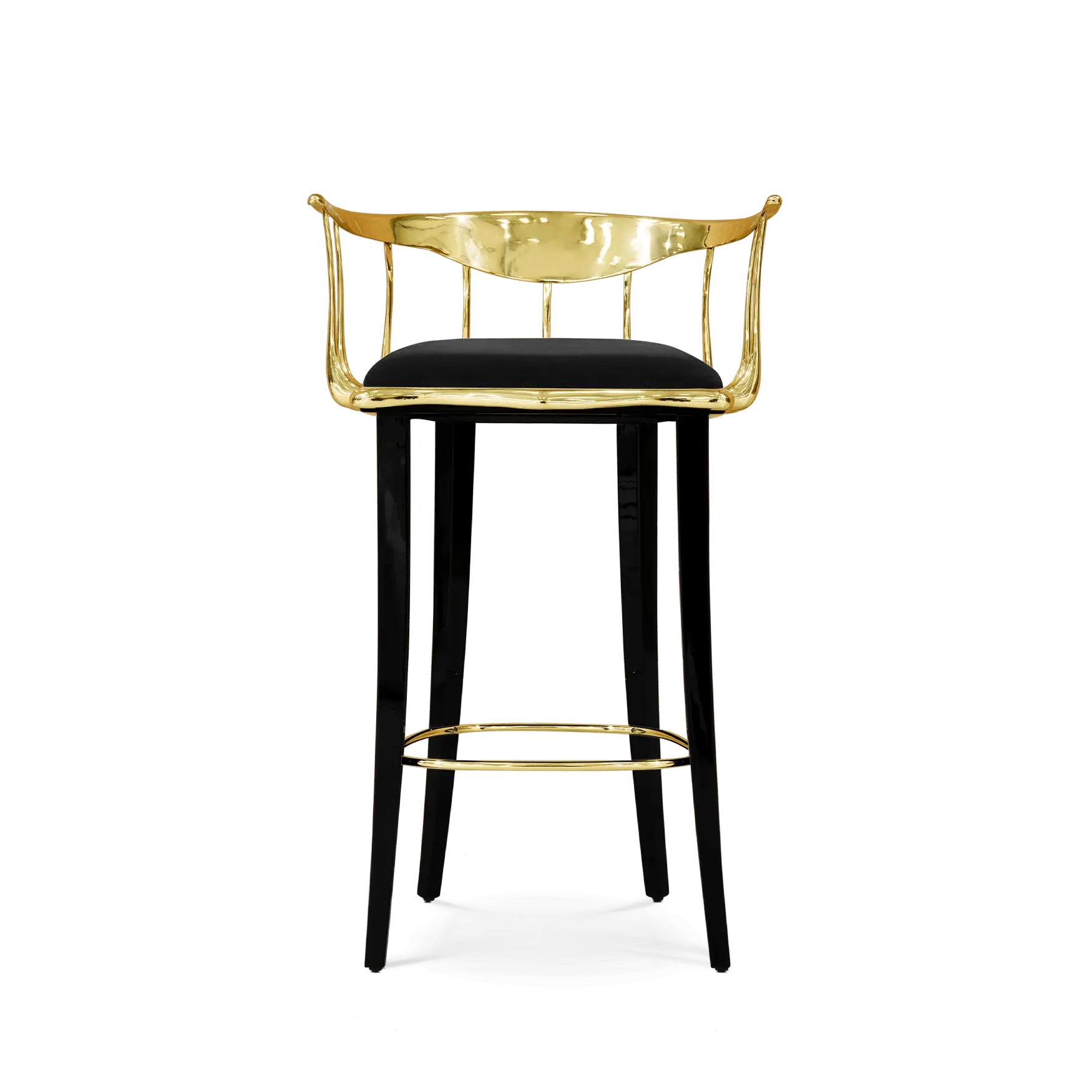

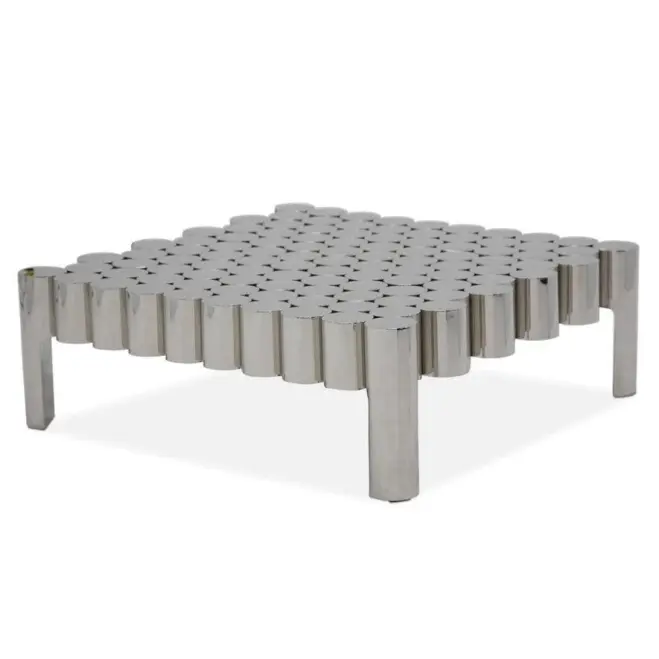
Hot rolled steel Application Delivers Unmatched Quality
Hot rolled steel has become a cornerstone of various industries, providing unmatched quality and performance across a wide range of applications. Its inherent properties make it suitable for heavy-duty uses, where strength and resilience are critical. The manufacturing process, which involves rolling the steel at high temperatures, enhances its ductility and makes it easier to shape into the required dimensions, allowing for greater flexibility in design and application. One of the most significant advantages of hot rolled steel is its cost-effectiveness. The efficiency of production minimizes expenses, ensuring competitive pricing without sacrificing quality. This characteristic appeals to global buyers looking for reliable materials that meet demanding specifications while remaining within budget. With its outstanding weldability and machinability, hot rolled steel can be tailored for use in construction, automotive, shipbuilding, and infrastructure, confirming its versatility and widespread application. As industries worldwide continue to evolve, the demand for high-quality materials remains at the forefront. Choosing hot rolled steel not only assures superior performance but also supports sustainable practices by enabling recyclability and resource optimization. For procurement specialists striving for excellence in their projects, hot rolled steel products represent an invaluable investment in quality, efficiency, and long-term viability.
Hot Rolled Steel Application Delivers Unmatched Quality
| Application | Specification | Thickness (mm) | Width (mm) | Length (mm) | Finish |
|---|---|---|---|---|---|
| Construction | ASTM A36 | 5 | 2000 | 6000 | Black |
| Automotive | ASTM A1011 | 3 | 1500 | 3000 | Pickled & Oiled |
| Shipbuilding | DNV GL | 6 | 2500 | 9000 | Prime |
| Heavy Machinery | ASTM A572 | 10 | 3000 | 12000 | Galvanized |
| Pipeline | API 5L | 8 | 1200 | 6000 | Coated |
Related Products

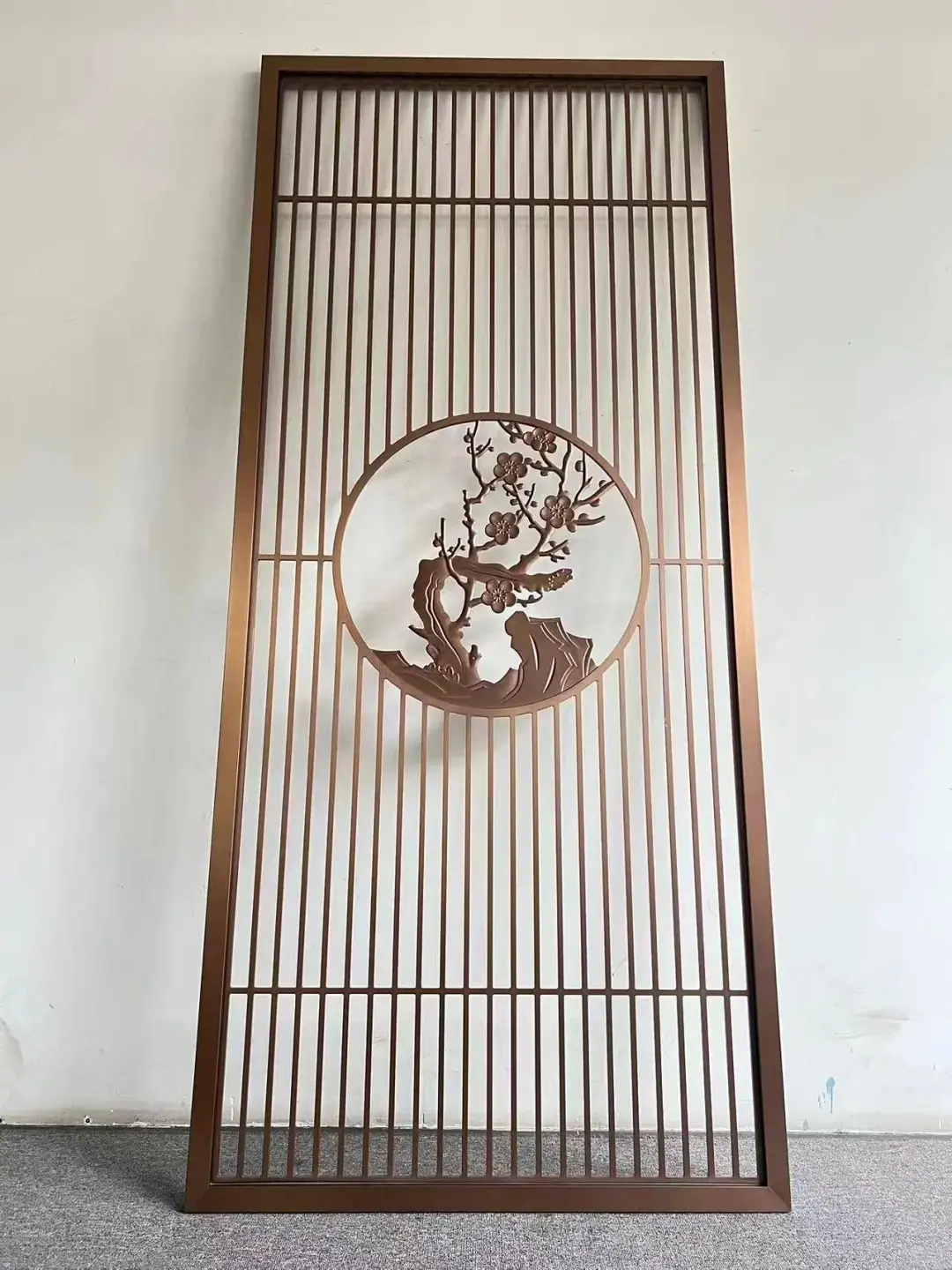
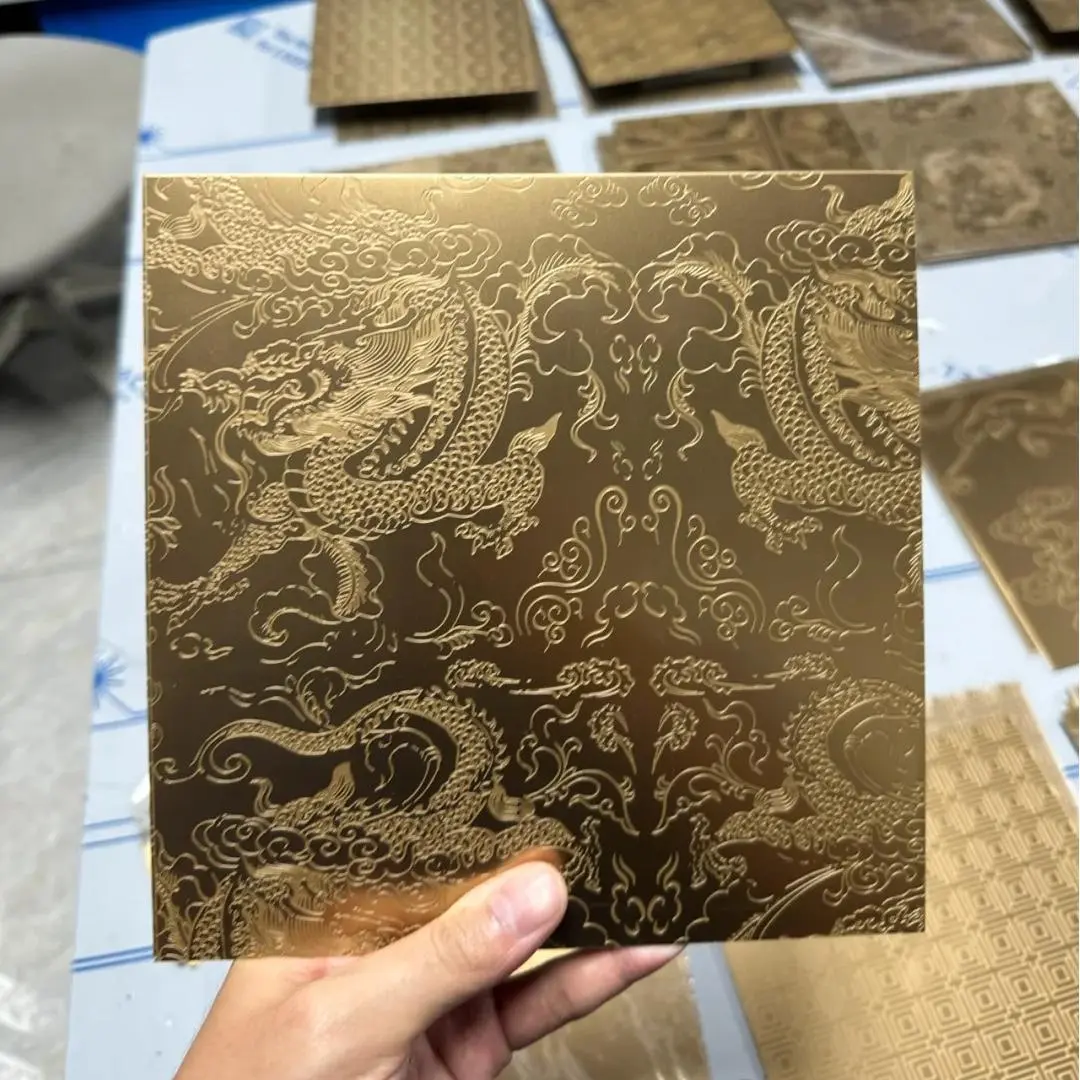


Hot rolled steel Industry Leaders Pioneers in the Field
Top Selling Products


- Related Blog
- Reviews
- Reviews

-

Phone
-

E-mail
-

Whatsapp
-

WeChat