

Premium Stainless Steel Plate Pricing for OEMs and Manufacturers - Quality Guaranteed
When seeking high-quality stainless steel plates, selecting a dependable OEM manufacturer is essential to meet your specific requirements. Our stainless steel plates are crafted with precision, ensuring robust strength and impressive longevity, all while maintaining competitive prices to suit your budget. We serve a wide variety of industries and take pride in our ability to customize products according to your exact specifications. With our extensive experience, we prioritize collaboration with clients to uphold exceptional quality and ensure timely delivery. Partnering with us means choosing a commitment to excellence and reliability, enhancing your projects with our superior stainless steel plates.
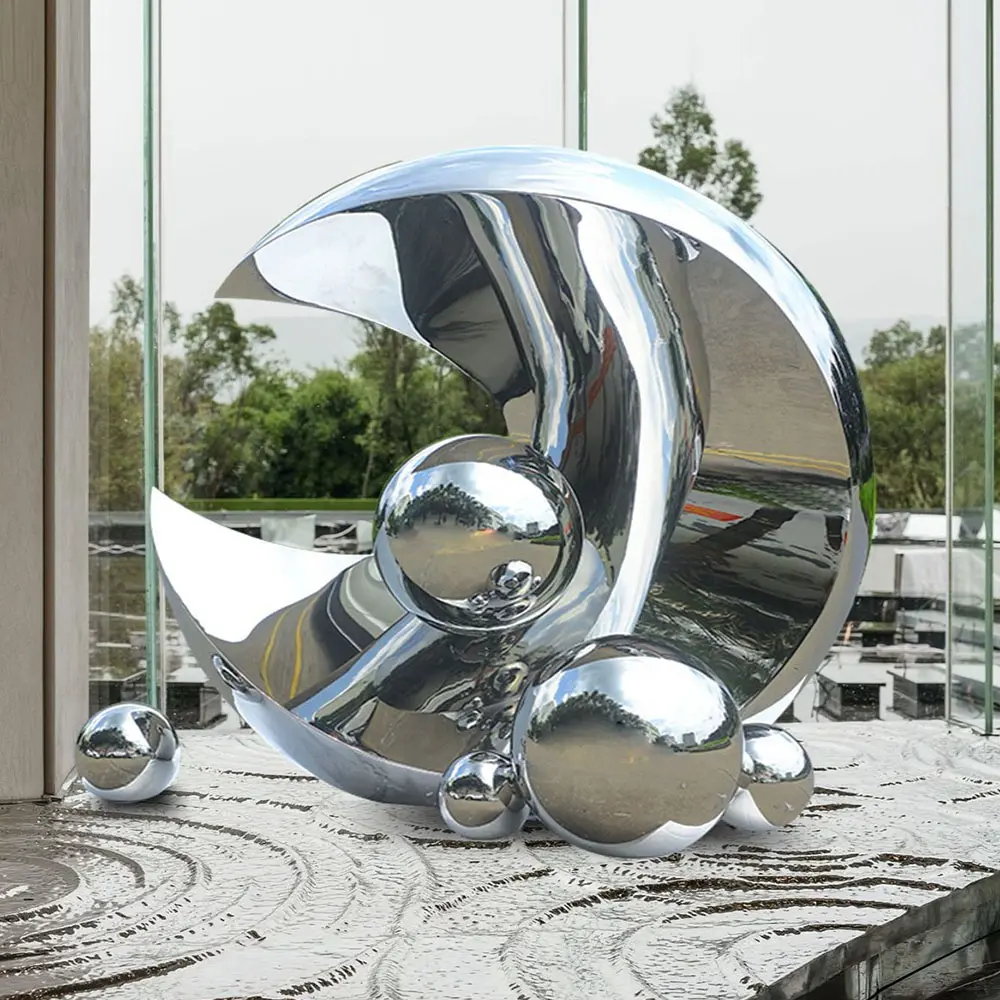
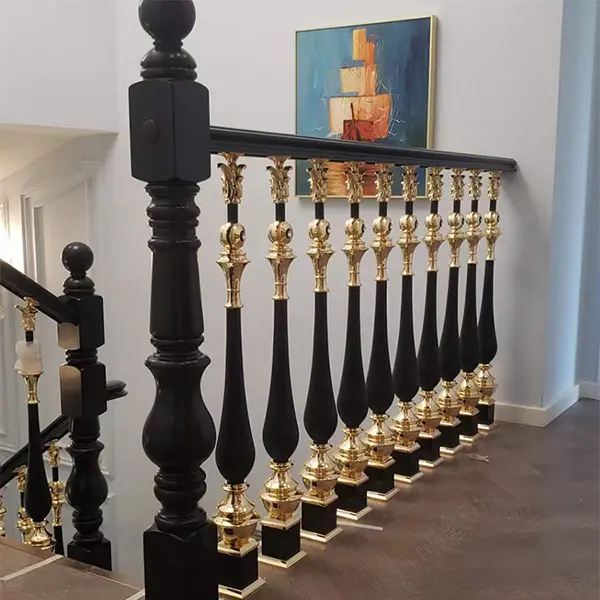
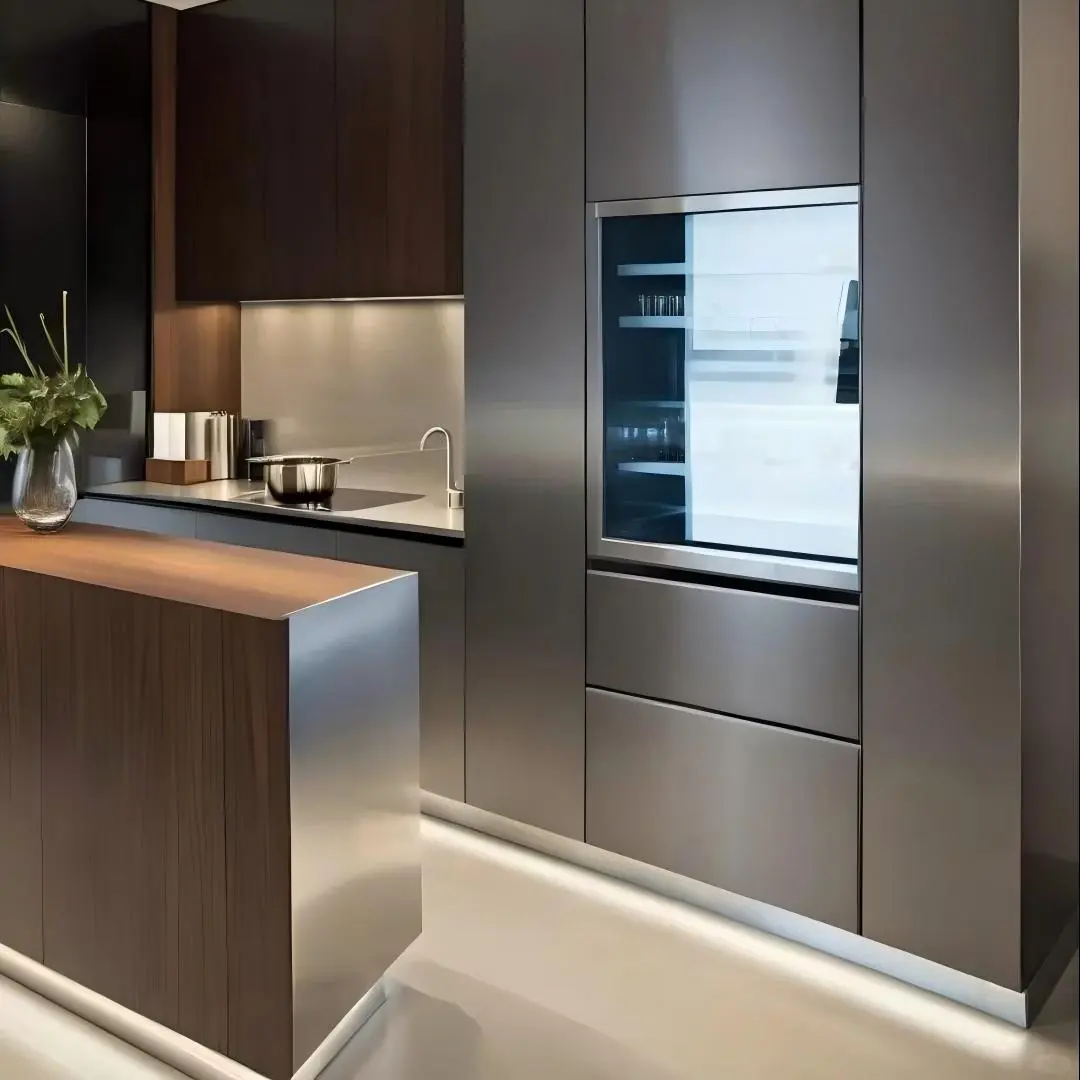
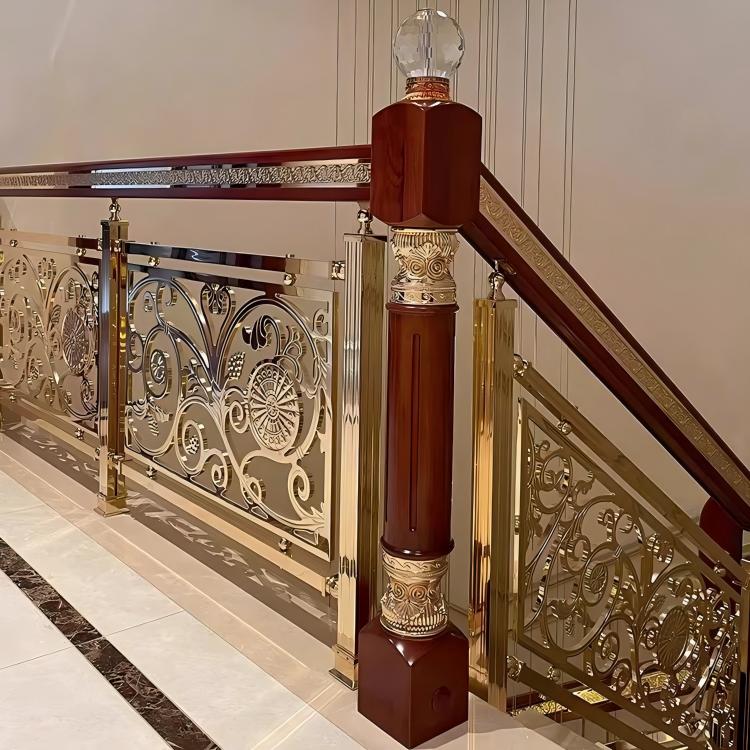
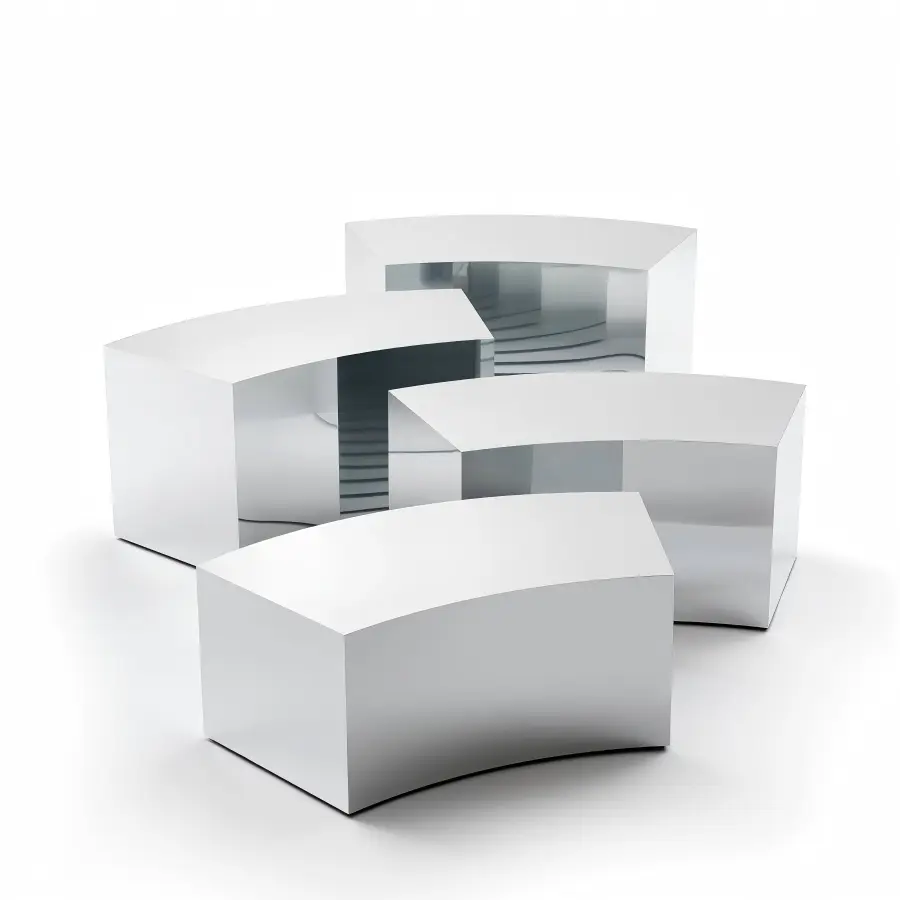
HIGH-QUALITY stainless steel plate price Factory For the Current Year
When sourcing high-quality stainless steel plates, understanding the pricing dynamics for the current year is crucial for global buyers. The stainless steel market is influenced by many factors, including raw material costs, production processes, and global demand fluctuations. This year, the price of stainless steel plates has been notably affected by supply chain disruptions and increasing energy costs, which have impacted manufacturing processes worldwide. Buyers seeking competitive pricing should consider not just the base price but also the value of quality assurance and customer support. Collaborating with manufacturers who prioritize high standards in production ensures that the materials meet the necessary specifications for various applications. As industries continue to innovate and adapt, there is a growing emphasis on sustainable practices and the use of eco-friendly materials in stainless steel production, which can also influence pricing. Understanding these trends allows purchasing managers to make informed decisions that align with their strategic sourcing goals. Investing in high-quality stainless steel plates now can lead to significant long-term benefits, including improved durability and performance in applications across many sectors, from construction to automotive. Stay ahead in your procurement strategy by keeping an eye on quality, pricing trends, and supplier reliability.
HIGH-QUALITY Stainless Steel Plate Price Factory For the Current Year
| Material Grade | Thickness (mm) | Width (mm) | Length (mm) | Finish | Certification |
|---|---|---|---|---|---|
| 304 | 3 | 1500 | 3000 | Polished | ISO 9001 |
| 316 | 5 | 2000 | 4000 | Brushed | Lloyd's |
| 430 | 2 | 1000 | 2500 | Galvanized | CE |
| 201 | 4 | 1200 | 3000 | Annealed | ASTM |
Related Products
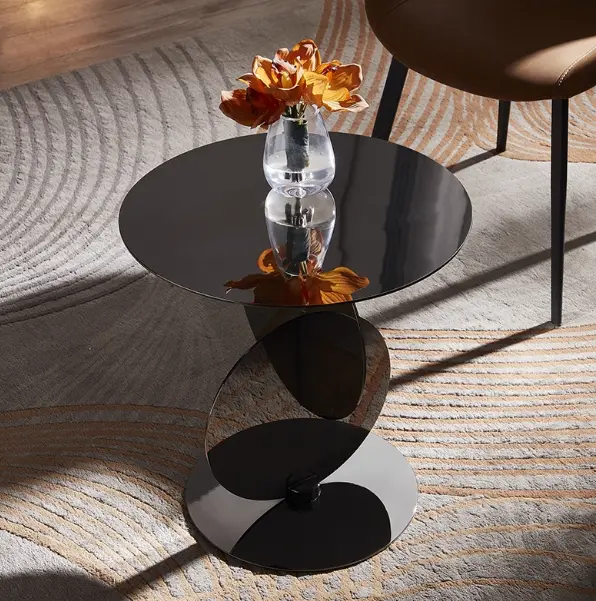
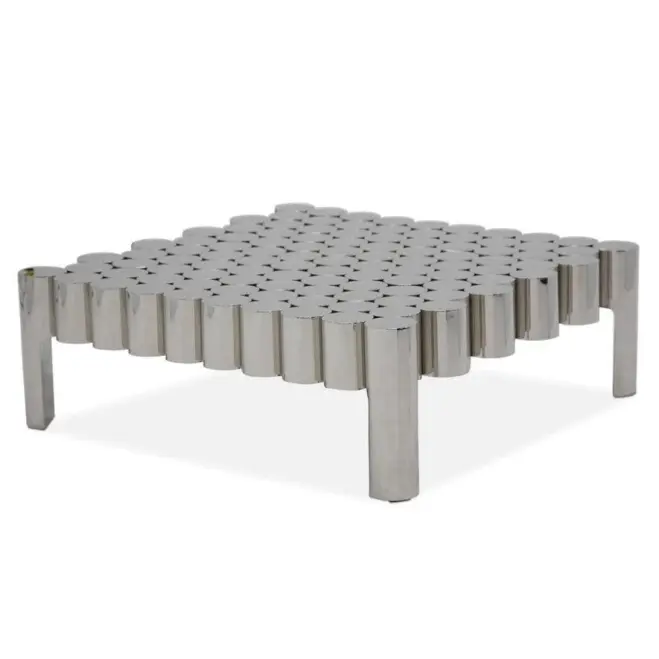


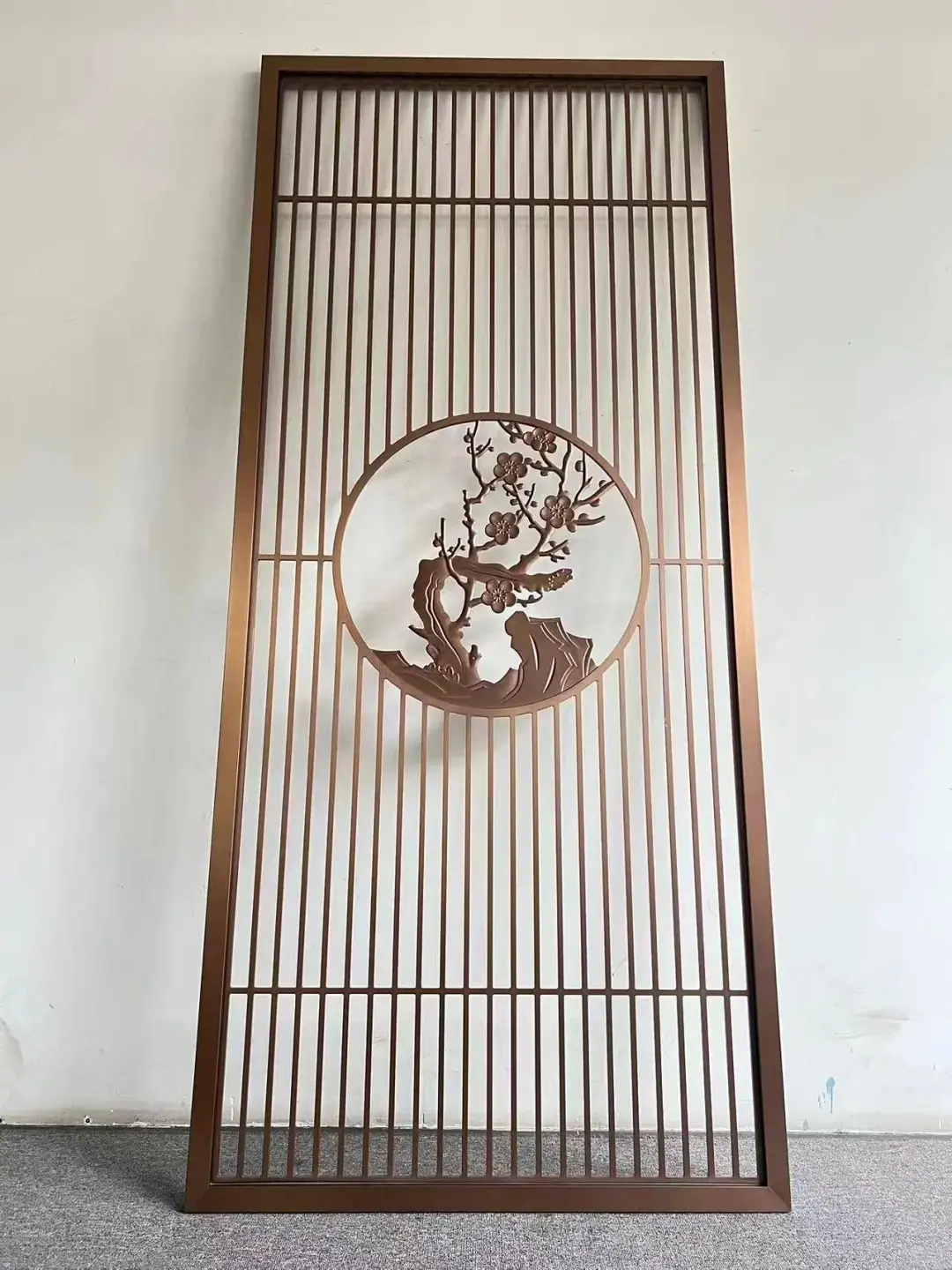
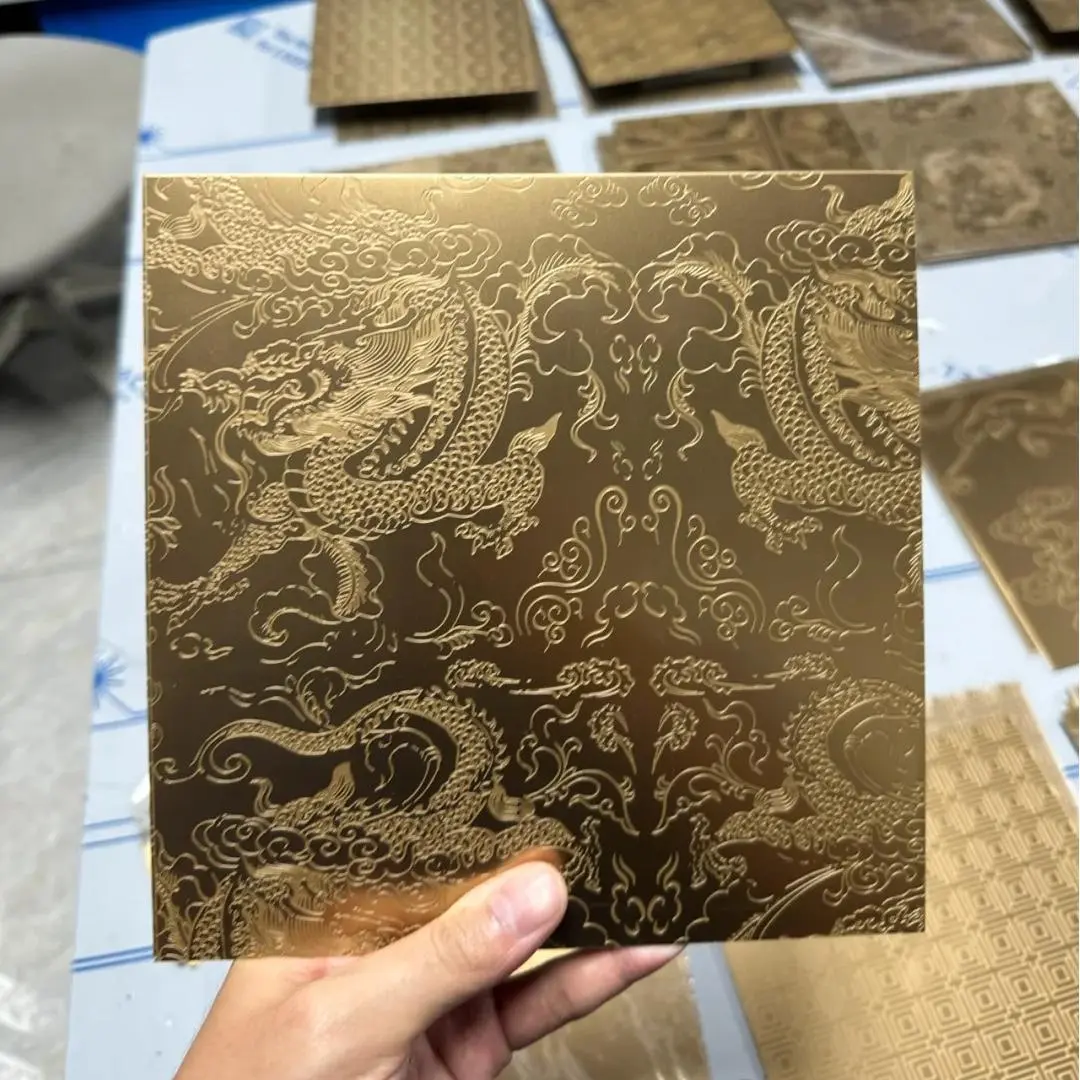
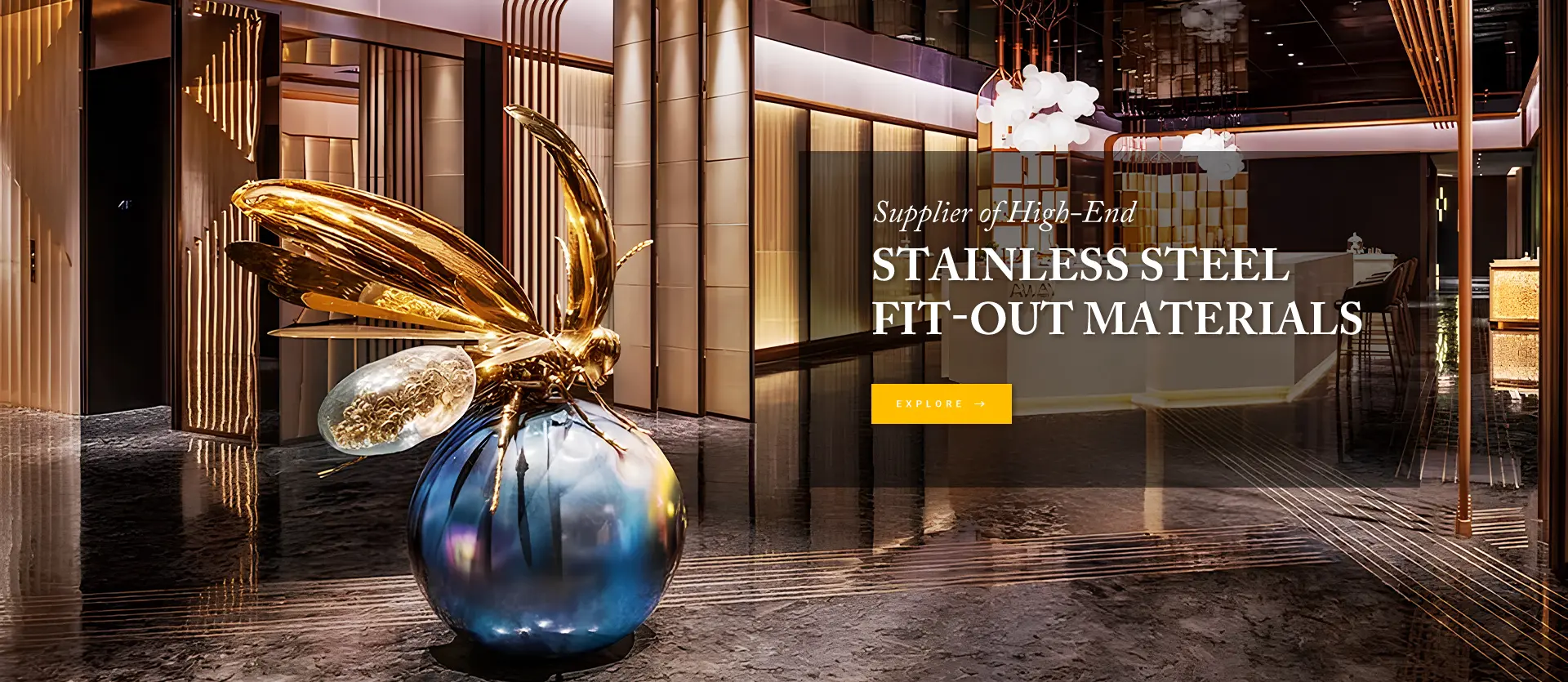
HIGH-QUALITY stainless steel plate price Products Now Trending
Top Selling Products
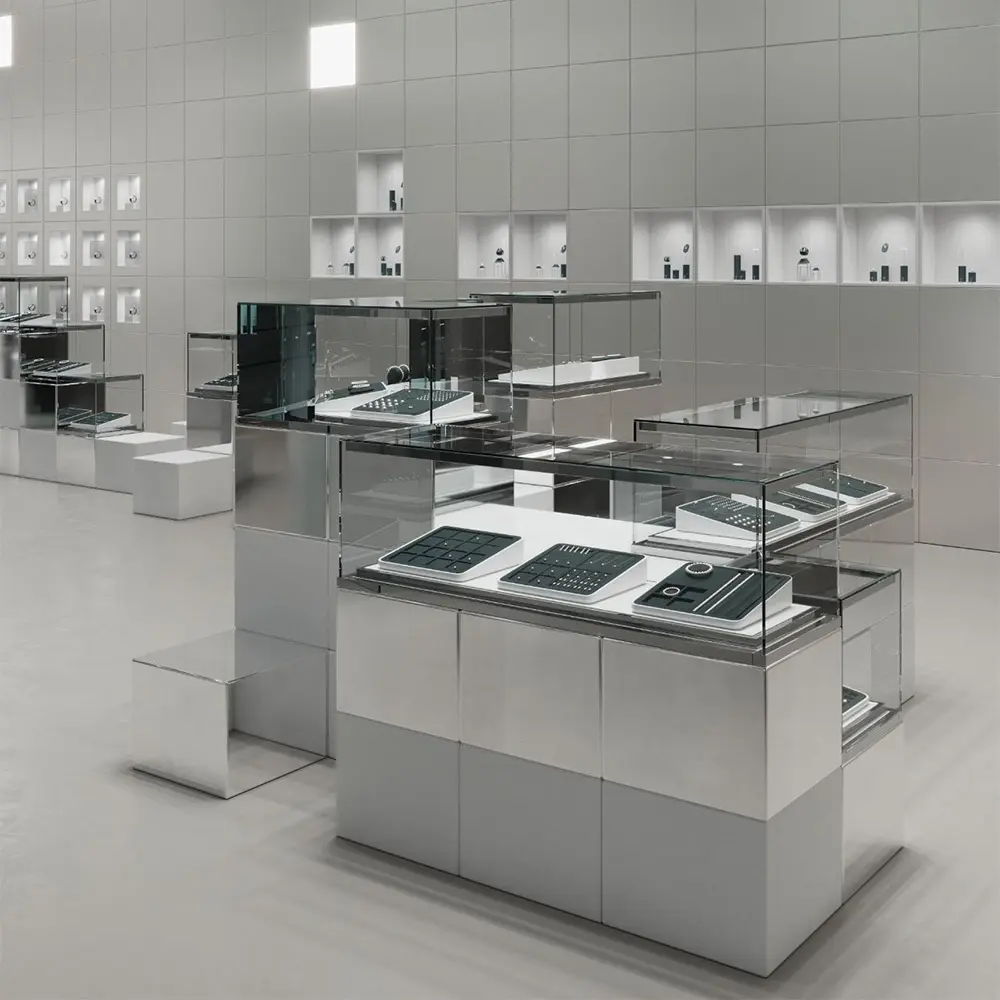
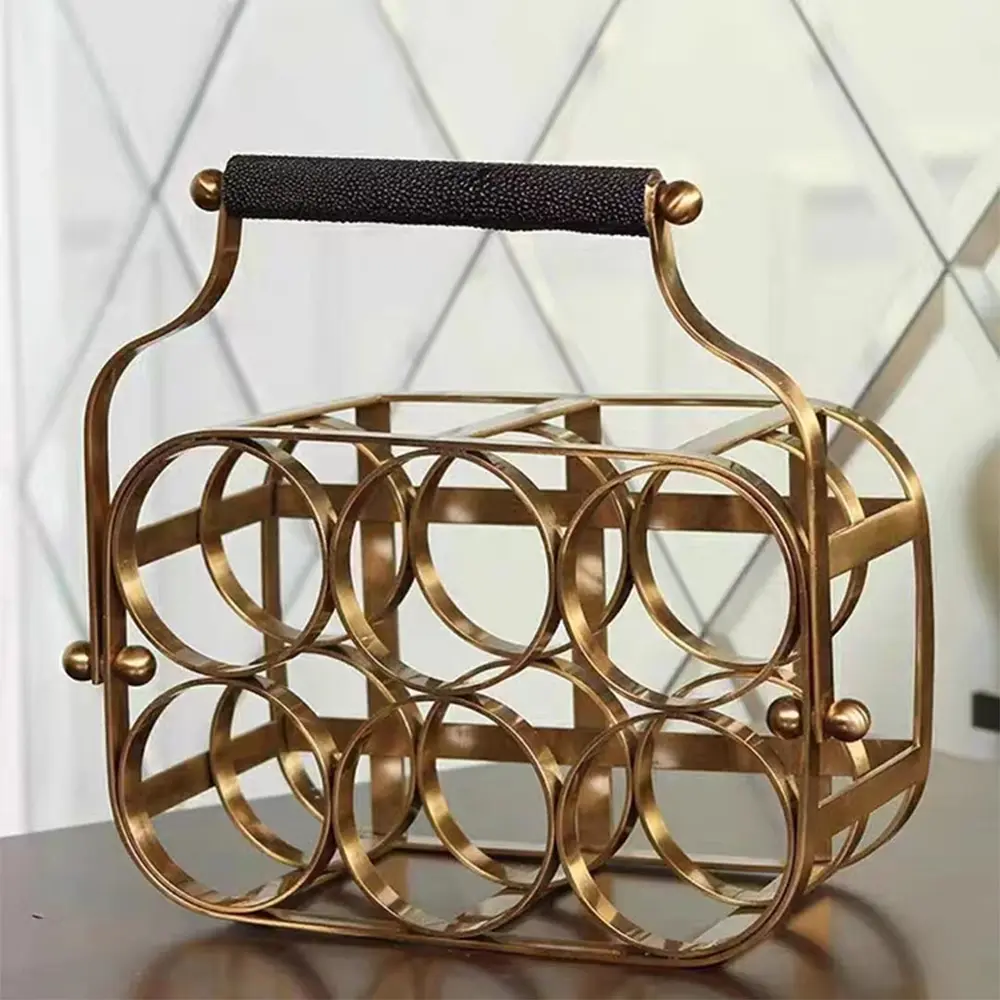


- Related Blog
- Reviews
- Reviews

-

Phone
-

E-mail
-

Whatsapp
-

WeChat