
Premium Elevator Door Cladding from a Reliable Manufacturer - Quality Assurance Guaranteed
Elevator door cladding plays a vital role in enhancing the visual appeal and professionalism of any building. As a B2B purchaser, the emphasis on high-quality products that combine aesthetics with durability cannot be overstated. Our cladding solutions are crafted from premium materials, engineered to withstand the rigors of daily use while maintaining a sophisticated appearance. We are dedicated to quality, ensuring that each piece of elevator door cladding adheres to stringent standards. Whether enhancing an existing system or embarking on a new project, our diverse cladding options offer the perfect finishing touch. Customization is also available to align seamlessly with your design requirements. Count on us for reliable manufacturing and exceptional elevator door cladding solutions that elevate the style of your building every time.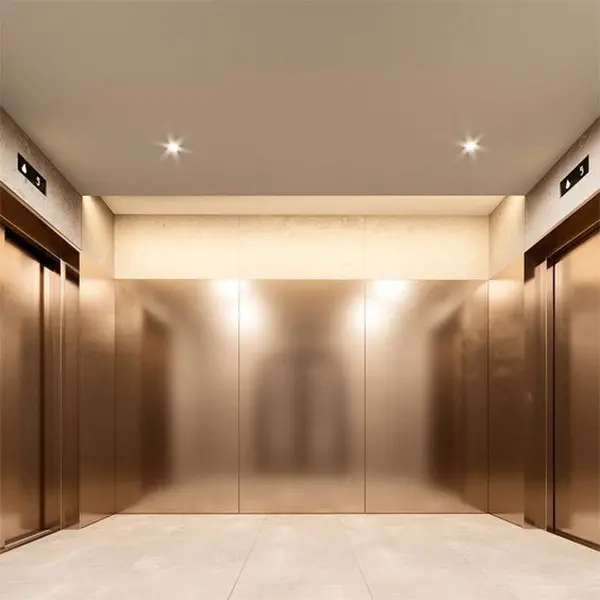
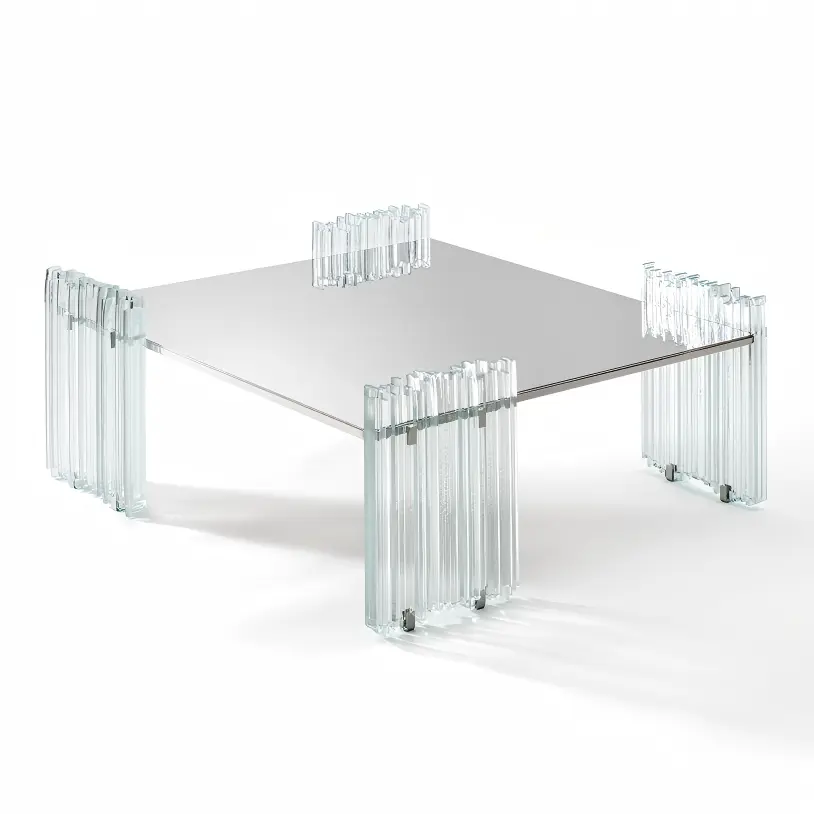
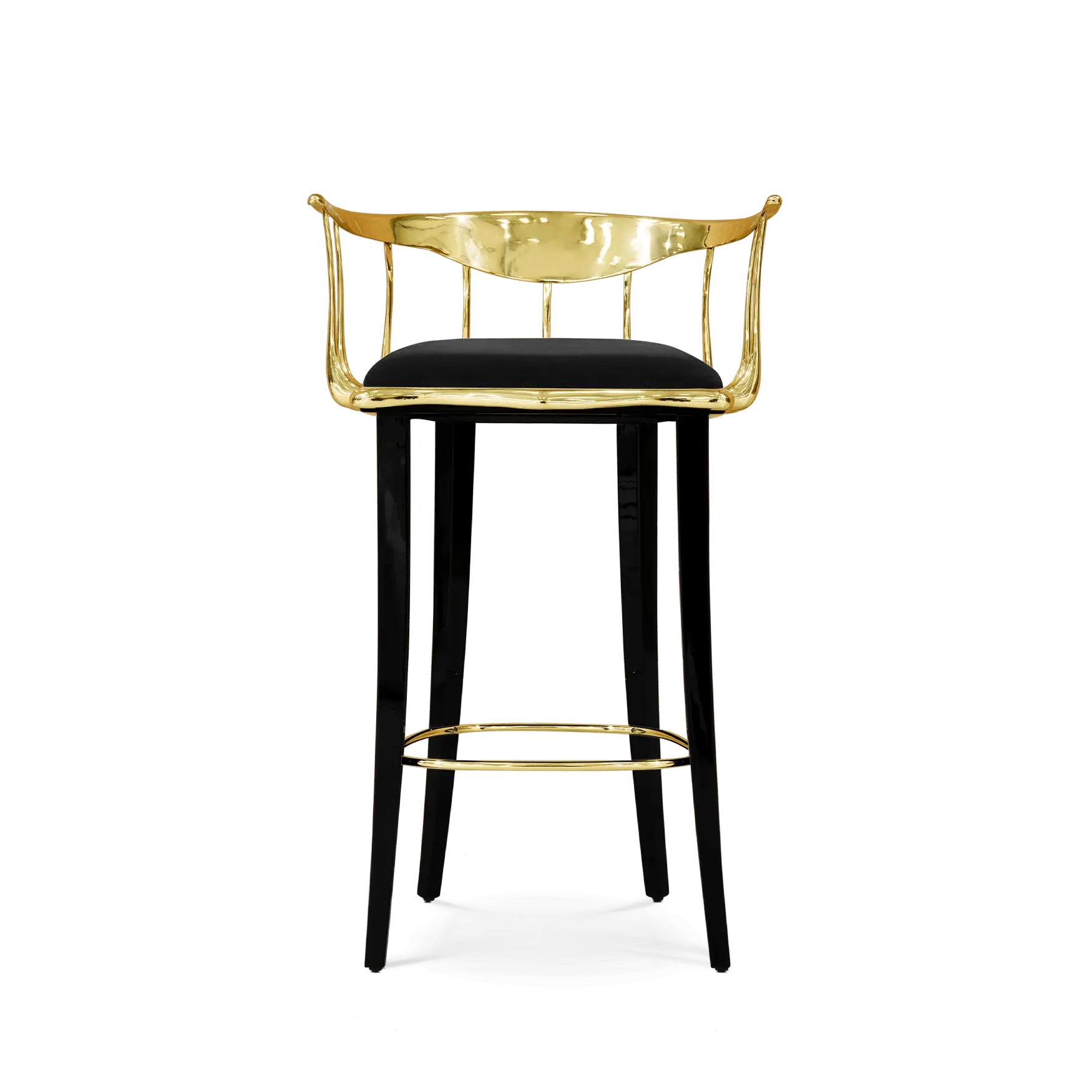
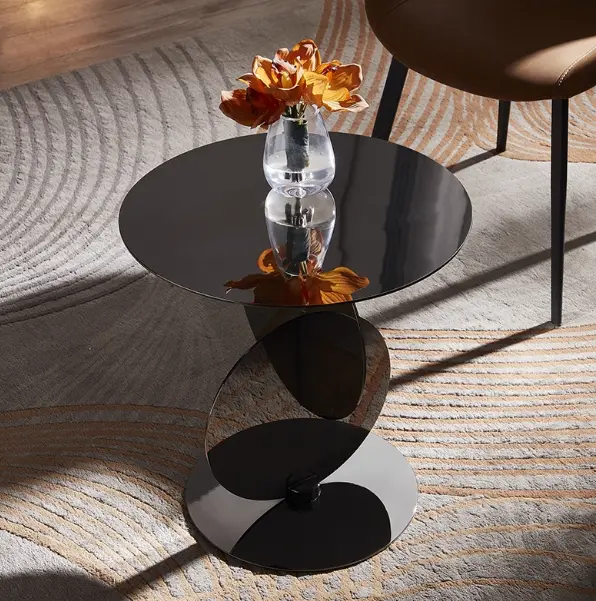
Elevator Door Cladding Application Supplies the World\u2019s Top Brands
In the fast-evolving world of construction and interior design, elevator door cladding plays a crucial role in enhancing aesthetics and functionality. The application of high-quality cladding materials not only adds a modern touch to buildings but also contributes to the durability of elevator systems. For global buyers looking to invest in top-tier solutions, the focus should be on materials that offer both style and resilience, catering to the needs of upscale real estate projects. Sourcing elevator door cladding from reputable manufacturers ensures adherence to international standards and innovative design trends. Buyers can explore a variety of finishes—from stainless steel to decorative laminates—that align with the architectural vision of their projects. The versatility of these cladding materials allows for customization, enabling architects and interior designers to create unique spaces that reflect their clients' identities, all while guaranteeing safety and longevity. As the demand for premium elevator solutions continues to rise, collaboration with established suppliers offers a strategic advantage. When selecting partners, global buyers should consider not only the quality of materials but also the expertise in providing tailored solutions that meet specific project requirements. Investing in top-notch elevator door cladding can significantly enhance the overall appeal and value of a property, making it an essential consideration for any ambitious architectural endeavor.
Elevator Door Cladding Application Supplies the World’s Top Brands
| Material Type | Application Area | Finish Type | Fire Rating | Sustainability Certification |
|---|---|---|---|---|
| Stainless Steel | Commercial Buildings | Brushed | Class A | LEED |
| Aluminum | Residential Buildings | Anodized | Class B | BREEAM |
| Glass | High-Rise | Tempered | Class C | GreenGuard |
| Laminate | Hospitality | Textured | Class A | FSC |
| Vinyl | Retail Spaces | Glossy | Class B | EcoLabel |
Related Products

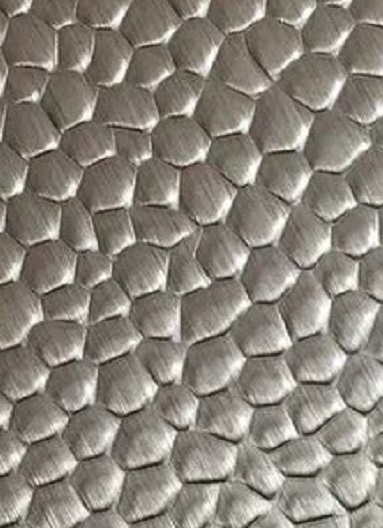
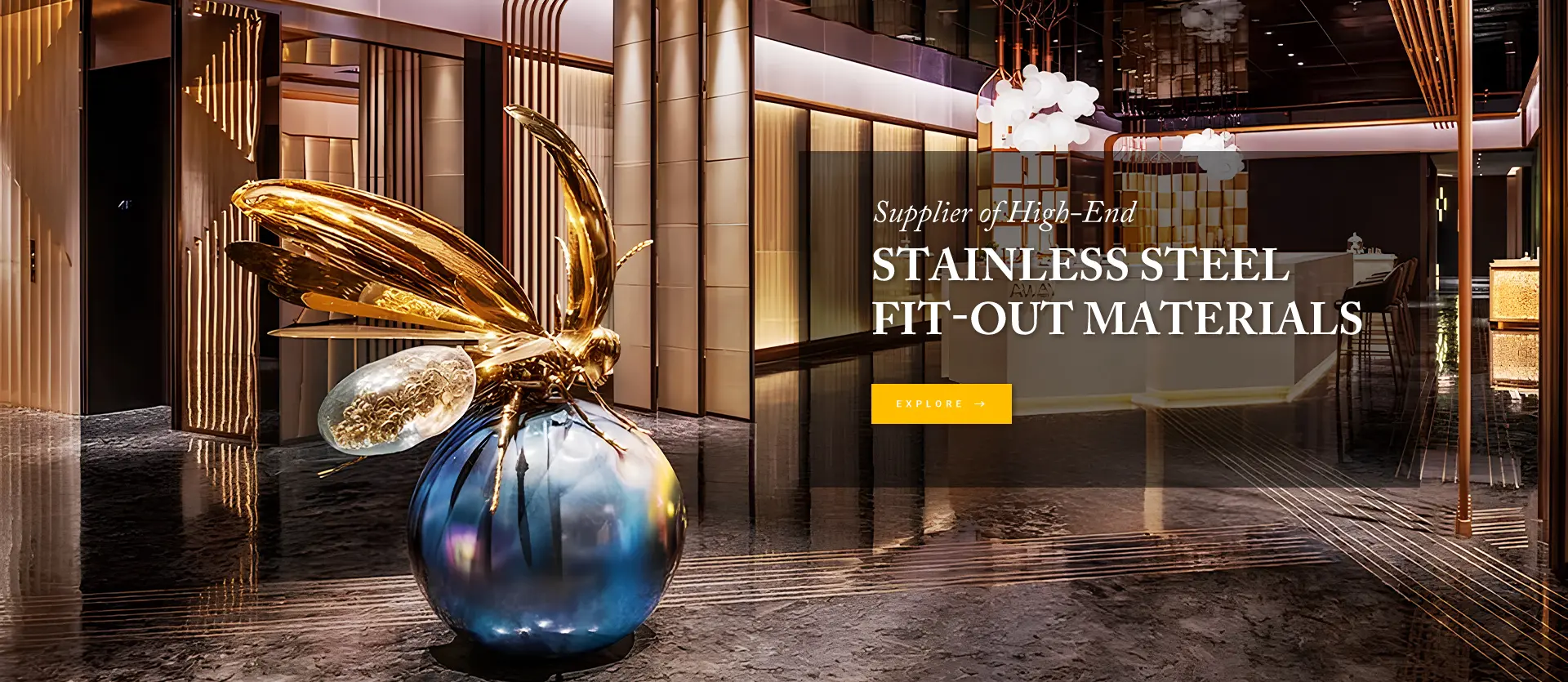
Elevator Door Cladding Sets the Industry Standard Service Backed by Expertise
Top Selling Products

- Related Blog
- Reviews
- Reviews

-

Phone
-

E-mail
-

Whatsapp
-

WeChat