Elevator Cladding Solutions by Top Manufacturer for Superior Design and Quality
Elevator cladding plays a crucial role in enhancing the elegance and durability of elevator interiors, and I specialize in providing high-quality options tailored to your specifications. As a trusted manufacturer, my focus is on offering cladding materials that not only improve the visual appeal of your elevators but also adhere to strict safety standards. With an extensive selection of finishes and styles, I can assist you in selecting the cladding that perfectly aligns with your brand identity and complements the overall design of your building. Our products are engineered to endure heavy usage while retaining their aesthetic appeal, making them a wise investment for any commercial space. Whether you're upgrading existing elevators or outfitting new constructions, I recognize the significance of quality and longevity in your choices. Together, we can enhance your project with premium elevator cladding solutions that demonstrate your commitment to excellence.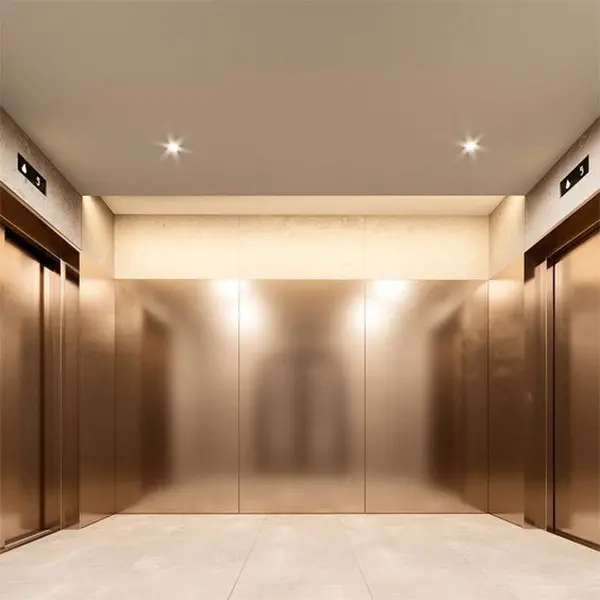
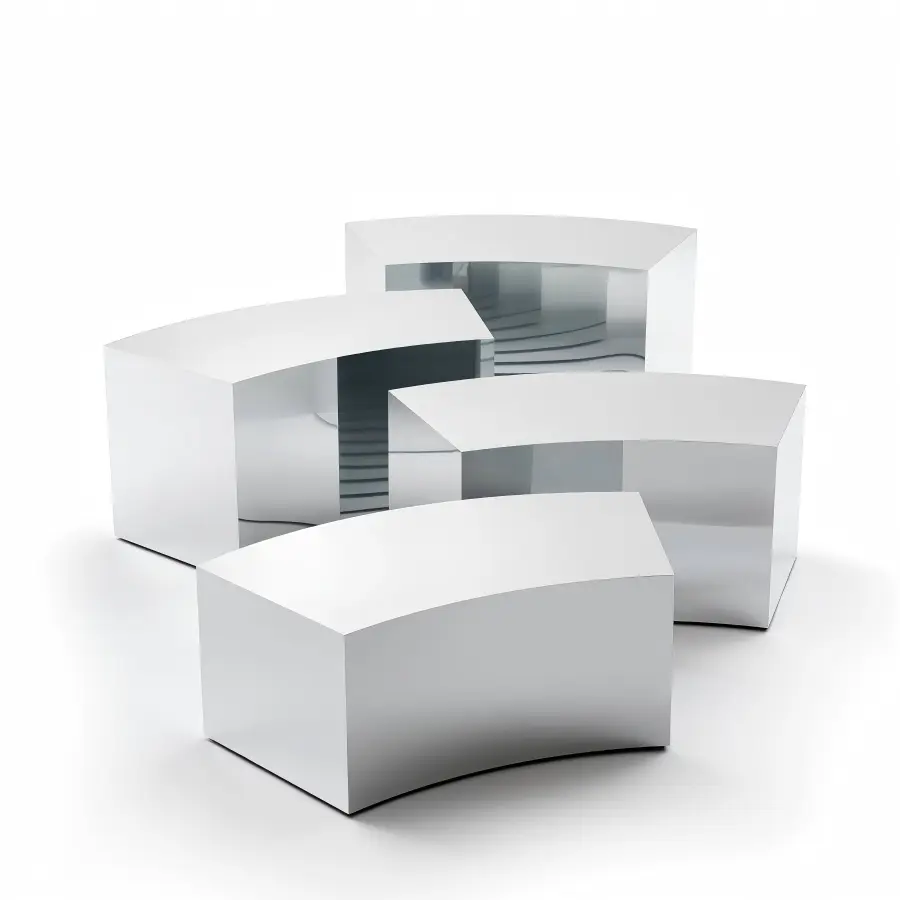
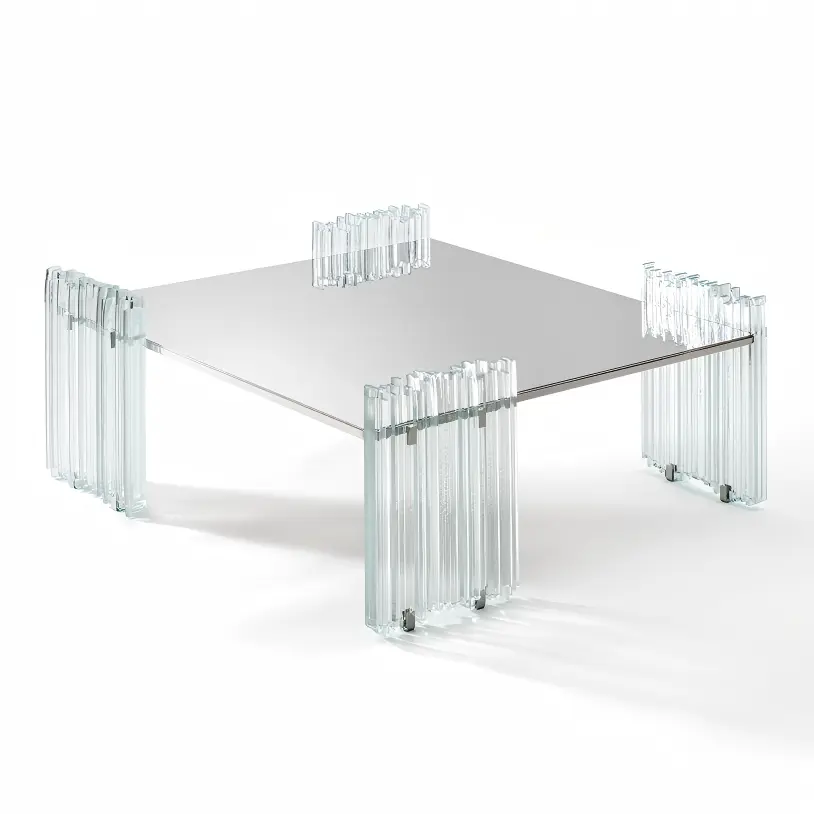
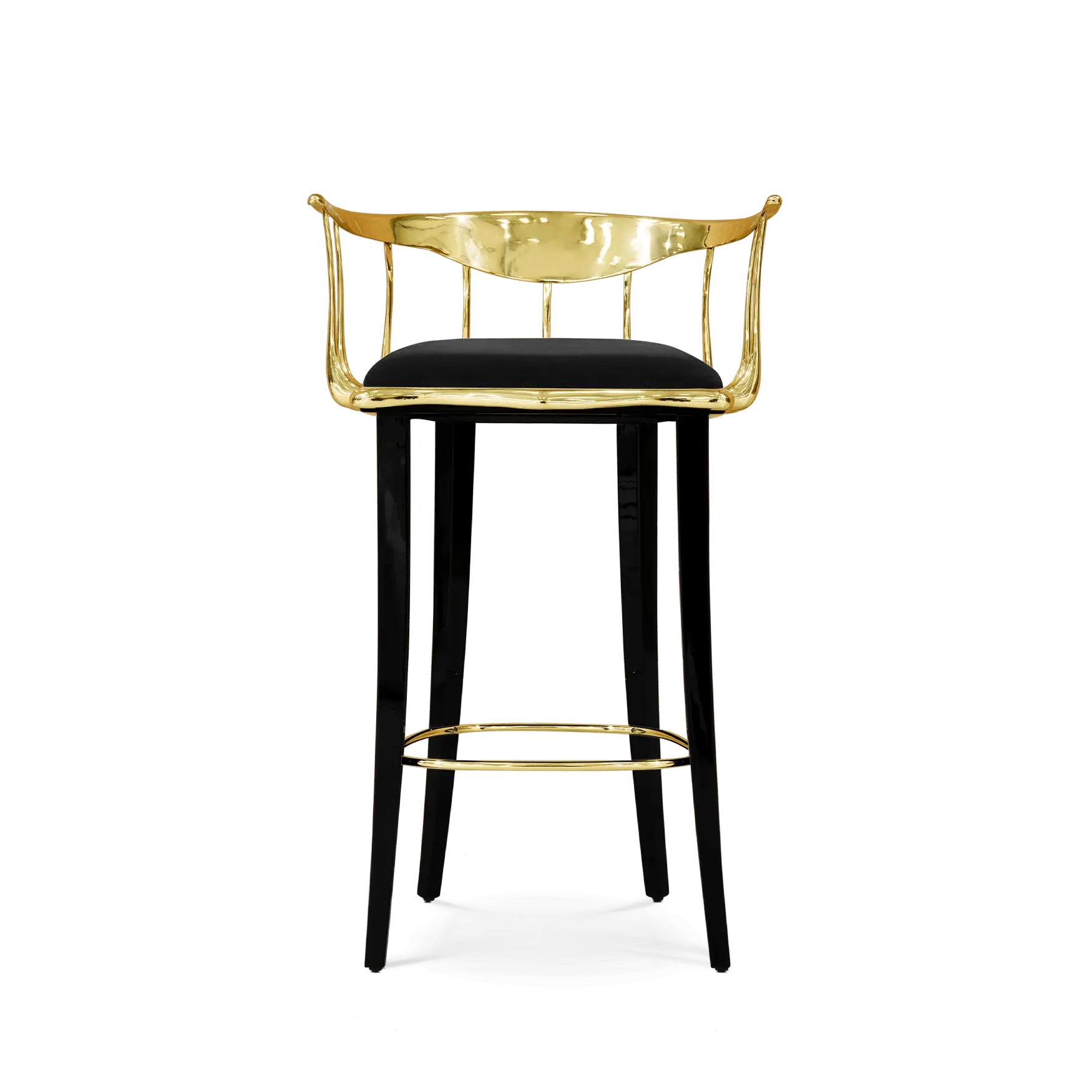
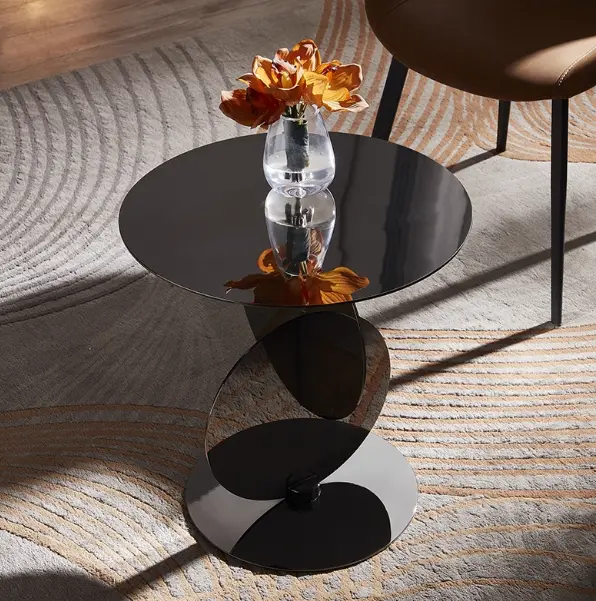
Elevator Cladding Sets the Industry Standard Your Trusted OEM Partner
Elevator cladding has emerged as a vital component in modern architectural design, setting the industry standard for quality, aesthetics, and functionality. As the demand for innovative elevator solutions rises globally, it becomes crucial to partner with a reliable OEM that understands both the technical requirements and design intricacies. The versatility of elevator cladding materials allows for bespoke solutions that cater to diverse building styles, ensuring an elevation of both form and function within any space. In today’s competitive market, it is essential to consider not just the performance of elevator cladding but also its environmental impact and sustainability. The latest advancements in materials and manufacturing processes prioritize eco-friendly options, enabling architects and builders to align with green building standards while providing exceptional quality. A trusted OEM partner can guide procurement strategies to optimize costs without compromising on the aesthetic appeal or longevity of elevator installations. Moreover, collaborating with a specialized manufacturer fosters innovation, as they are often on the cutting edge of technological advancements and design trends. This partnership can lead to customized solutions tailored to meet your specific project needs, ensuring that every detail aligns perfectly with your vision. Elevate your projects with superior elevator cladding that not only meets but exceeds industry expectations, combining style, safety, and sustainability under the guidance of an expert partner dedicated to your success.
Elevator Cladding Sets the Industry Standard - Your Trusted OEM Partner
| Material | Surface Finish | Weight per Square Meter | Fire Rating | Durability | Eco-Friendly |
|---|---|---|---|---|---|
| Stainless Steel | Brushed | 8 kg | Class A | High | Yes |
| Aluminum Composite | Glossy | 6 kg | Class B | Medium | Yes |
| Glass | Tempered | 12 kg | Class A | High | No |
| HPL (High-Pressure Laminate) | Textured | 5 kg | Class C | Medium | Yes |
Related Products
Elevator Cladding Dominates Industry Leaders
Top Selling Products
- Related Blog
- Reviews
- Reviews

-

Phone
-

E-mail
-

Whatsapp
-

WeChat